
home-page

Governor Roy Cooper
Roy Cooper is honored to serve as North Carolina’s Governor. He understands the challenges facing our families and communities and wants to build a North Carolina that works for everyone.
Learn More about Roy Cooper
Information on North Carolina's Response to Canton Paper Mill Closure
On March 6, Pactiv Evergreen announced plans to shut down the paper mill in Canton, North Carolina. Gov. Roy Cooper and his Administration are committed to supporting the people of Canton and western North Carolina. For more information, visit our page.
Learn More
North Carolina's Public Education Crisis
Public education is the bedrock of North Carolina’s success. Public education powers our workforce, builds our businesses and boosts our communities. Unfortunately, our public schools are under assault. The current General Assembly is considering extreme legislation that would cripple our public education system. Governor Cooper is calling on you to contact your state legislators and ask them to protect our public schools.
Learn moreNews
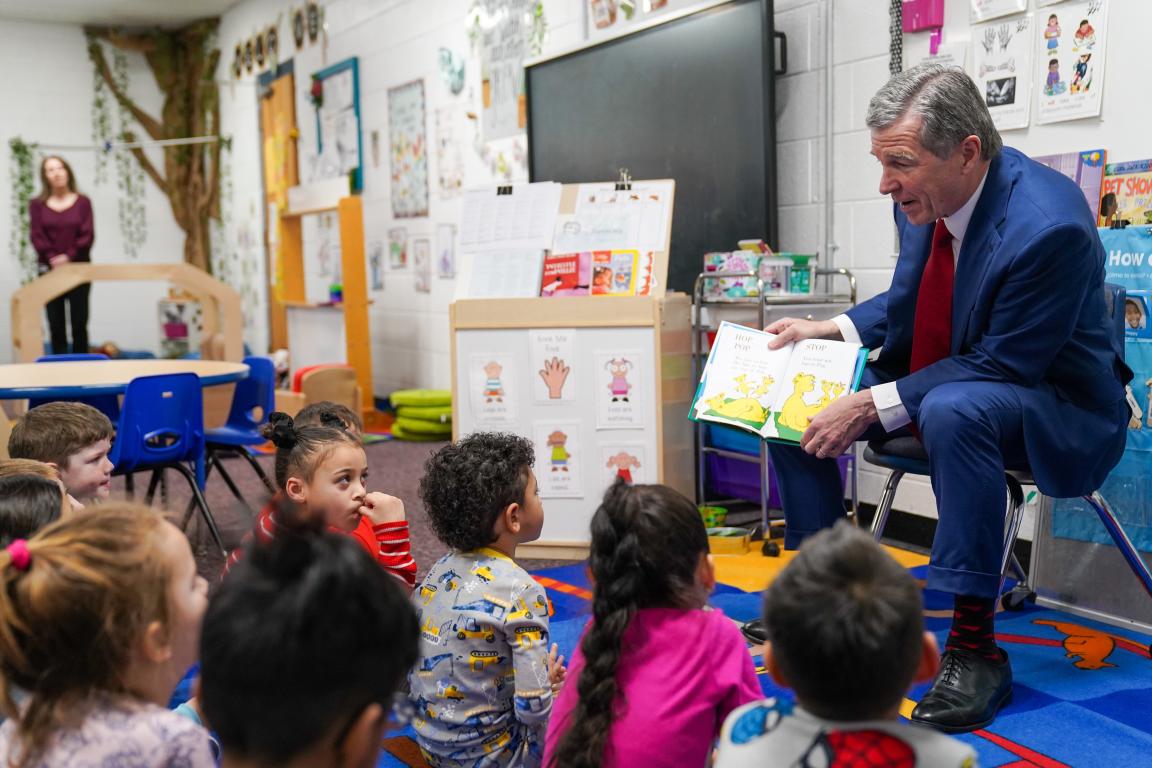
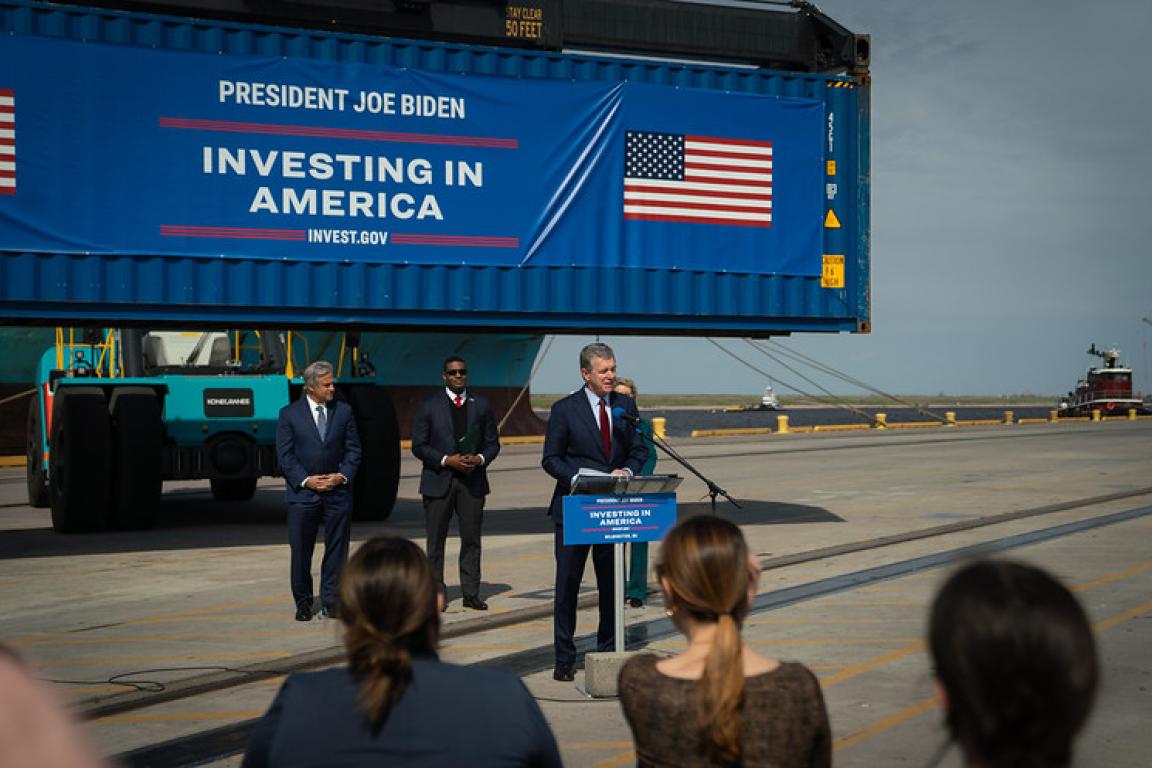
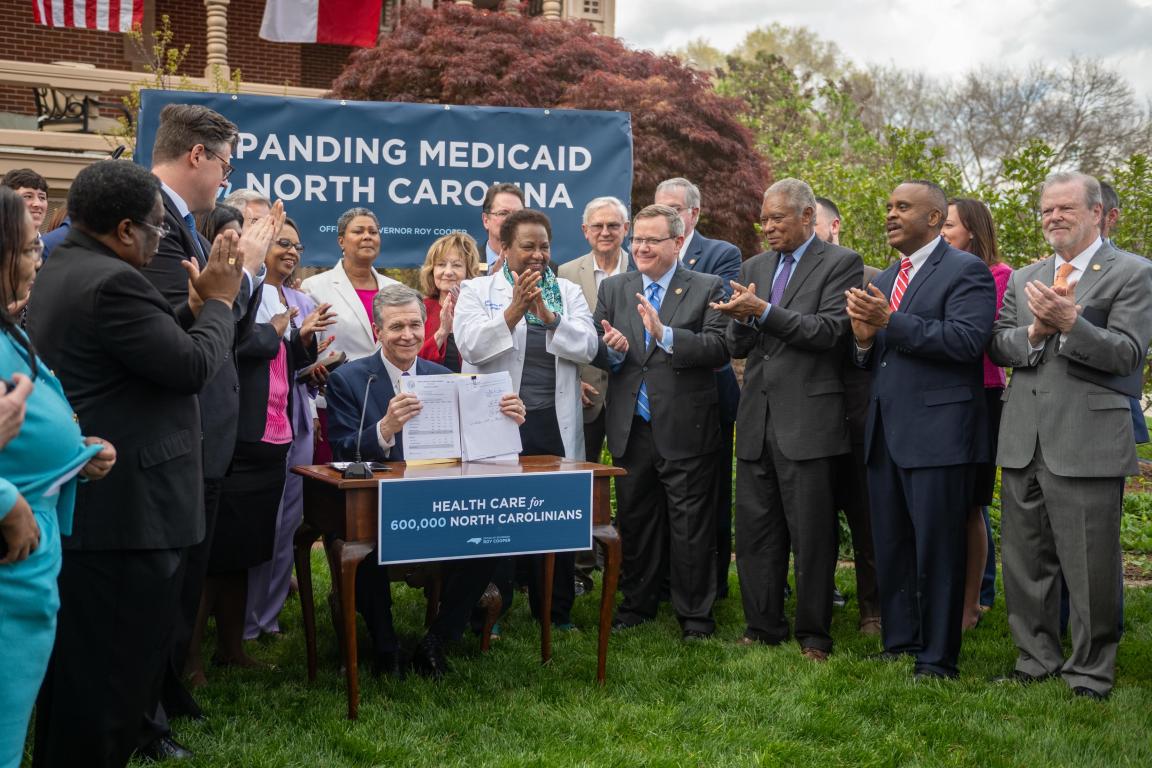


Governor Cooper Proclaims 2024 as “The Year of Public Schools,” Calls for Investments in North Carolina’s Teachers, Students and Families
The Year of Public Schools
North Carolina is continuing to gain momentum. Here’s a look back at some of the highlights of 2023, showing how Governor Cooper is working to make our state healthier, better educated and put more money in the pockets of North Carolinians.
2023 in Photos